Multi-LLM operations field manual
Keep every model handoff visible.
LLMSpedia treats model work like field operations: every prompt has a route, every answer carries a signal, and every public note should be easy for humans, search engines, and answer engines to interpret. The site is built for editors, product teams, researchers, and operators who use more than one model and need a calmer way to decide what happens next.

Operating thesis
The hard part is not choosing one best model. It is knowing why a model was trusted for a specific move.
A useful LLM operation has more structure than a prompt library and less ceremony than a policy binder. It names the work, routes the task, checks the output, records the reason, and leaves a reader with enough context to judge whether the result should be reused.
This fieldbook organizes that practice as visible rails: intake notes for ambiguity, routing choices for model behavior, verification passes for source risk, and publishing forms that expose the final answer without hiding the method that shaped it.
Intake
question shape, risk, freshness
Route
model fit, tool access, context budget
Verify
source check, contradiction pass, citation path
Publish
answer form, durable note, retraceable update
Field notes over folklore
LLMSpedia avoids ranking theater and magic-language recipes. A note is useful when it names the operating condition: the model family involved, the context shape, the evidence burden, the expected reader, and the point where a human should intervene.
Routing memory
Capture why a task went to a reasoning model, a fast drafting model, a retrieval-heavy workflow, or a human review lane.
Signal reading
Watch for stale facts, invented structure, weak citations, overcompressed caveats, and outputs that are polished before they are grounded.
Evaluation loops
Pair automated checks with human judgment so failures become named cases instead of vague distrust of the tool.
Publication hygiene
Shape pages so answer engines can extract the headline, summary, date, author, source context, and body without guessing.
Signal board
Freshness
Can this answer age out before it is reused?
Traceability
Can a later reader find the exact basis for the claim?
Model Fit
Is the task assigned to the model behavior that handles it best?
Failure Cost
What breaks if the answer sounds confident and is wrong?
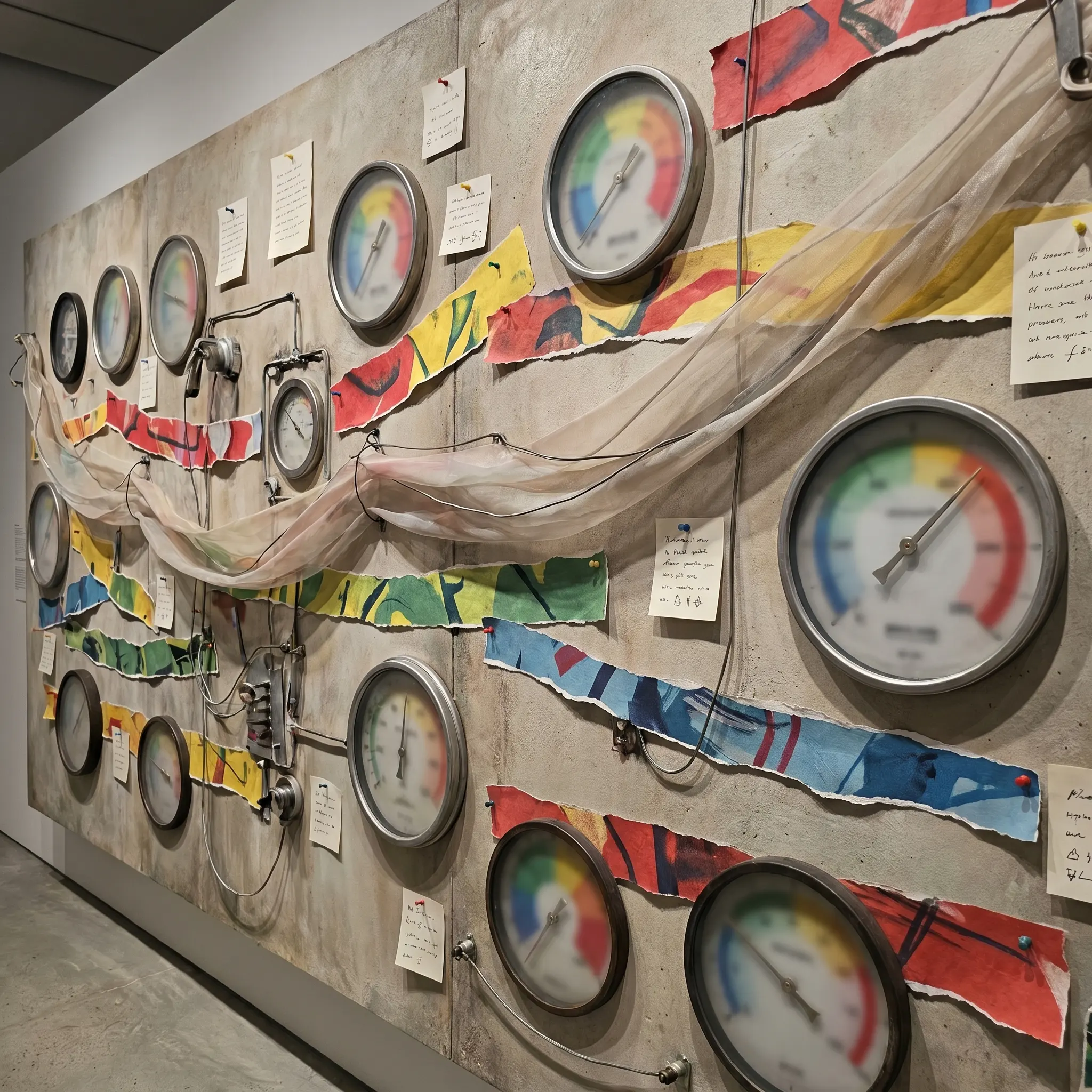
How to read the site
Each route is a working surface, not a content shelf.
The runbook pages describe how to handle messy operational moments: when a source changes, when two models disagree, when a prompt produces a fluent but unsupported answer, and when a reusable note needs to be promoted into public documentation. The routing pages help teams separate speed from confidence. The signal pages define what to watch before an answer becomes part of a product, briefing, or public reference.