Signal board
Reliability is easier to discuss when the signals have names.
Model output can look finished before it is ready. The signal board gives teams a shared language for the review moment between “this reads well” and “this can be trusted in context.”
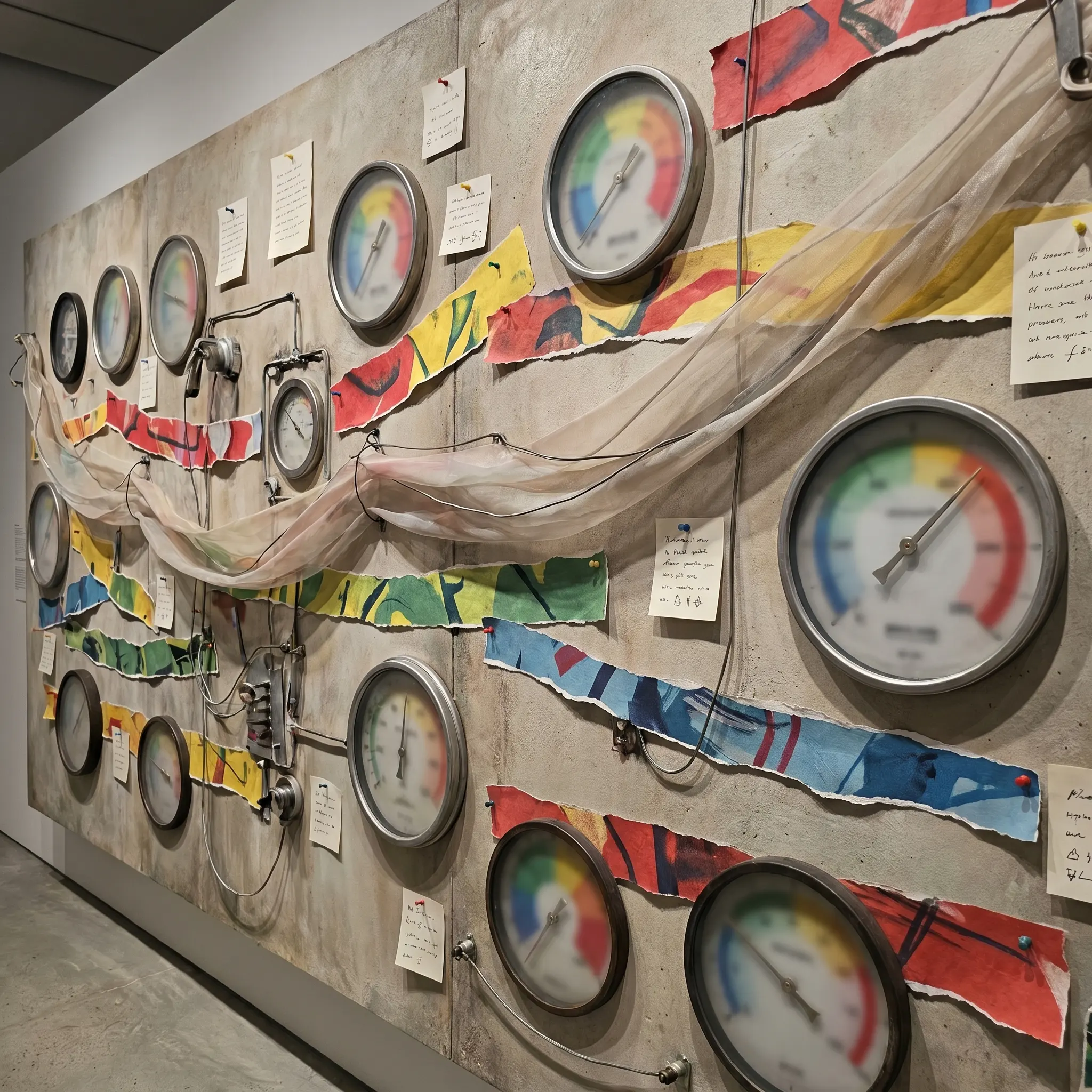
Green
The model names limits, cites recoverable basis, preserves uncertainty, and matches the requested answer shape.
Amber
The answer is useful but needs a date check, source replay, disagreement pass, or stronger caveat before reuse.
Red
The output invents structure, treats a stale fact as current, hides missing evidence, or creates authority it does not have.
Freshness signals ask whether the answer depends on current facts, policy, product behavior, prices, releases, or public records. If the answer can age out, it needs a date and a route back to the source.
Evidence signals ask whether the output made its basis recoverable. A citation-shaped phrase is not enough. The reader should be able to find the page, document, dataset, or observation that supports the claim.
Shape signals ask whether the model answered in the form the work needed. A strong explanation can still fail if the task required a checklist, decision memo, comparison table, or machine-readable summary.